Glowing skin begins from within. The nutrients we consume play a vital role in supporting skin health and vitality. Vitamins are especially important, as they help protect the skin, encourage renewal, and maintain a natural radiance. While skin treatments can support the surface, nourishing your body with the right vitamins can help care for your skin from the inside out.
At The Skin Element, we believe in a balanced approach to skin health. Here are some key vitamins our team recommends to help maintain healthy, beautiful skin.
Best Vitamins for Skin, Hair, and Nails
Healthy skin relies on the right balance of nutrients, and vitamins play a key role in supporting this. Each vitamin contributes in its own way to maintaining normal skin function and overall skin appearance. Below are some commonly recognised vitamins that may assist in supporting your skin’s natural health and vitality.
1. Vitamin E
Vitamin E is known for its antioxidant properties, which help protect the skin from everyday environmental stressors. It also supports the skin’s natural barrier and helps maintain hydration. Foods rich in vitamin E include nuts, seeds, and leafy green vegetables.
2. Vitamin C
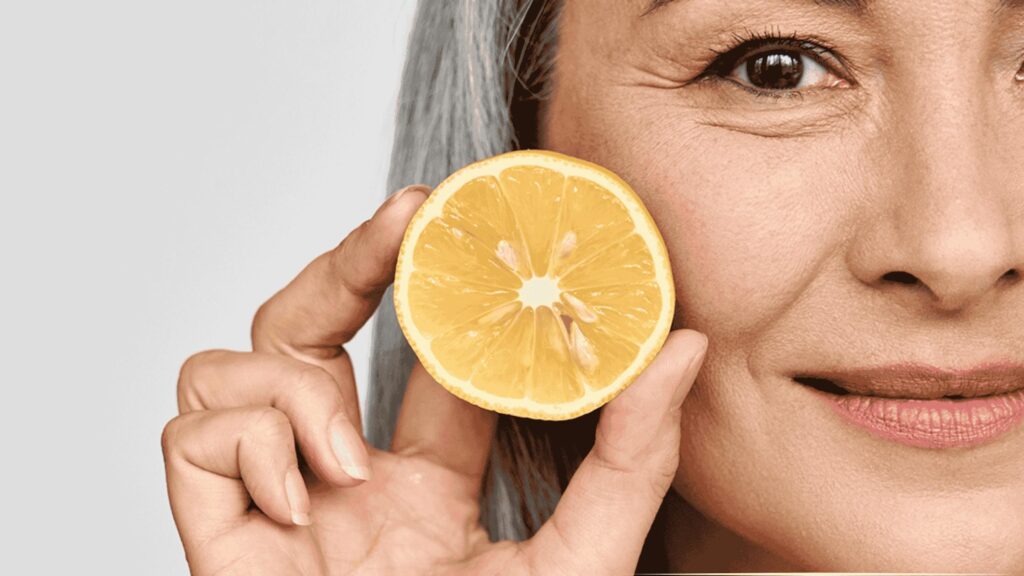
Vitamin C is another powerful antioxidant that supports normal collagen production and contributes to healthy-looking skin. It can help protect the skin from environmental exposure and support an even skin tone. You can find vitamin C in citrus fruits, berries, and leafy greens.
3. Vitamin A
Vitamin A plays a role in maintaining normal skin renewal and supporting smooth, even skin texture. It can be found in foods such as carrots, sweet potatoes, and leafy vegetables. When used in skincare products, forms of vitamin A (such as retinol) should be used under professional guidance to ensure suitability and safety.
4. Vitamin D
Studies show that vitamin D deficiency is relatively common in Australia, often influenced by factors such as limited sun exposure, season, and lifestyle. Vitamin D contributes to skin health and is produced naturally when the skin is exposed to sunlight. Including vitamin D-rich foods like fish, eggs, and fortified dairy can support healthy levels. For skin issues, consult a professional about vitamin D treatments.
5. Vitamin B Complex
The B vitamins, particularly B3 (niacinamide) and B5 (pantothenic acid), are known to support the skin’s barrier function and hydration. They can help improve texture and contribute to smoother-looking skin. These vitamins are found in foods such as eggs, fish, whole grains, and legumes.
6. Vitamin K
Vitamin K plays a role in the body’s normal healing process and supports skin balance. It is often found in leafy green vegetables like spinach, kale, and broccoli.
Which Vitamin Deficiency can cause Hair Loss?
Hair loss is a common concern in Australia and can be influenced by many factors, including nutrition. Vitamins play a key role in supporting healthy hair growth, and certain deficiencies may contribute to increased shedding or thinning.
1. Vitamin D
Vitamin D supports many functions in the body, including the normal growth cycle of hair follicles. Studies suggest that low vitamin D levels may be linked to certain types of hair loss, including androgenic alopecia and alopecia areata. However, research findings are mixed, and more evidence is needed to confirm a direct link.
2. Vitamin B2 (Riboflavin)
Vitamin B2 helps the body convert food into energy and supports cell function, including those in the hair and skin. A deficiency is uncommon but may contribute to hair shedding in rare cases. Riboflavin is found in foods such as dairy products, eggs, almonds, and lean meats.
3. Vitamin B3 (Niacin)
Vitamin B3 supports healthy metabolism and blood circulation. A severe deficiency, called pellagra, may cause hair thinning along with other symptoms like skin irritation and fatigue. Niacin is found in chicken, fish, whole grains, and legumes.
4. Vitamin B7 (Biotin)
Biotin helps the body process fats and proteins, both of which support skin and hair health. True biotin deficiency is rare, and most people get enough through a balanced diet. However, low levels may contribute to brittle hair or hair loss. Biotin is found in foods such as eggs, nuts, and whole grains.
5. Vitamin A
Vitamin A supports the normal function and renewal of skin and scalp tissues. Both deficiency and excessive intake can affect hair health. A lack of vitamin A may lead to dry or fragile hair, while too much can cause shedding. Balanced sources include carrots, sweet potatoes, and leafy greens.
6. Vitamin E
Vitamin E is an antioxidant that helps protect cells from oxidative stress. Some studies suggest low vitamin E levels may be linked with certain types of hair loss, though findings are inconsistent. Vitamin E can be obtained from nuts, seeds, and green vegetables.
Benefits of Vitamin C and Vitamin A for the Skin
Both Vitamin C and Vitamin A are essential for maintaining healthy, radiant skin. They support skin structure, help protect against environmental stress, and promote overall skin vitality.
Vitamin C for Skin Health
Vitamin C, also known as ascorbic acid, plays an important role in maintaining healthy skin. It supports collagen production, which helps keep the skin firm and resilient. This vitamin also assists in protecting the skin from environmental factors such as UV exposure and pollution.
In addition, Vitamin C helps reduce oxidative stress by neutralising free radicals that can damage skin cells. Its antioxidant properties support a brighter, more even-looking complexion and assist in reducing visible signs of ageing.
Vitamin A for Skin Health
Vitamin A is vital for skin renewal and maintaining smooth, even-textured skin. It supports the natural process of cell turnover, helping the skin stay refreshed and balanced.
This vitamin also assists in regulating skin cell production and supports the skin’s barrier function. By promoting healthy skin structure, Vitamin A contributes to a more refined and resilient appearance.
Together, Vitamins C and A play a key role in supporting overall skin health. A balanced diet rich in these nutrients, alongside a good skincare routine, can help maintain a healthy, glowing complexion.
Can Vitamin B12 Deficiency be a Sign of Cancer?
A vitamin B12 deficiency is not considered a direct sign of cancer. However, some studies suggest there may be a possible link between low vitamin B12 levels and certain types of cancer, such as stomach or colorectal cancer. These studies indicate an association, not a cause.
For example, people with pernicious anaemia (an autoimmune condition that affects vitamin B12 absorption) may have an increased risk of stomach cancer. This is due to changes in the stomach lining, not from vitamin B12 itself.
Research findings on this topic remain mixed. Some studies suggest low vitamin B12 levels might be more common in people with cancer, while others find no clear connection. There is also evidence suggesting that very high vitamin B12 intake may be linked to increased cancer risk, but further research is needed.
It’s important to remember that many factors can affect vitamin B12 levels, including diet, age, and certain medical conditions. People concerned about their vitamin B12 levels should speak with a qualified healthcare professional for individual advice and testing.
Professional Skin Treatment in Gold Coast, Australia
At The Skin Element, we believe that healthy, glowing skin begins with a combination of good nutrition, consistent care, and professional support. Our clinic offers non-invasive skin treatments designed to complement your skincare routine and support your overall skin health.
Our experienced team provides services such as Morpheus8, Lumecca IPL, Microneedling, and Exosome therapy.
Each treatment is tailored to individual skin needs and carried out following a thorough consultation to ensure safety and suitability.If you are considering professional treatments to support your skin health, we invite you to book a consultation at The Skin Element. Our team can guide you through your options and develop a treatment plan that suits your needs.