There are many evidence based options available to support skin rejuvenation. However, there is no single treatment that suits everyone. The best approach depends on your skin type, current concerns, medical history, and personal goals.
In this article, we will explore commonly used skin rejuvenation treatments and explain how they are used in professional settings.
What Is Skin Rejuvenation?
Skin rejuvenation refers to a range of professional treatments designed to support healthier-looking skin. Rather than one single procedure, it includes various options that address texture, tone, clarity, and overall skin quality at different levels.
At The Skin Element, skin rejuvenation focuses on improving the skin’s appearance in a natural and gradual way. Many people experience multiple concerns at once, such as uneven tone, dullness, fine lines, or reduced firmness. For this reason, a combination approach is often considered during treatment planning. Common goals of skin rejuvenation may include supporting smoother texture, improving tone evenness, enhancing radiance, and maintaining skin elasticity. When performed as part of a structured plan, treatments can support long-term skin health and gradual improvements in appearance.
Top Skin Rejuvenation Treatments in 2026
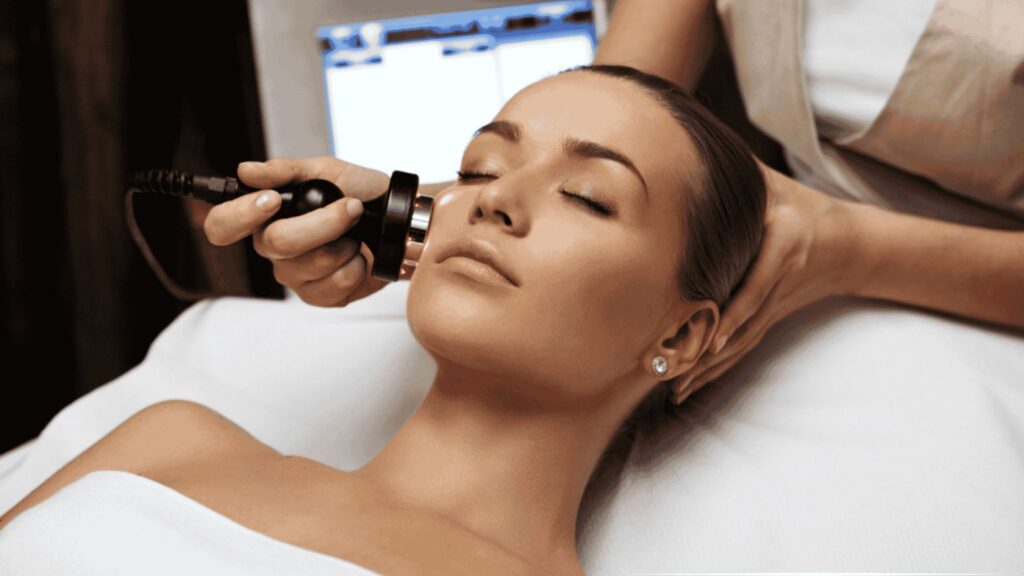
Modern skin rejuvenation focuses on non-surgical treatments that support visible improvements in skin texture, tone, and firmness with minimal downtime. Today’s treatments use advanced technology to target different skin layers and concerns in a personalised way.
The treatments below are commonly included in professional skin rejuvenation programs due to their ability to support gradual, natural-looking skin enhancement when selected appropriately. Individual results vary, and consultation is essential to determine suitability.
1. Morpheus8
Morpheus8 has become a widely used non-surgical option within modern skin rejuvenation programs, particularly for individuals seeking improvements in skin texture and firmness without surgery. The treatment combines microneedling with radiofrequency energy, allowing controlled delivery of heat to deeper skin layers while preserving the surface. This approach is commonly used to support gradual skin remodelling rather than immediate surface alteration.
Morpheus8 is frequently selected for concerns involving mild skin laxity, uneven texture, and changes in skin quality associated with ageing. Common treatment areas include the face, neck, and lower jawline, where structural support plays a role in visible contour. In clinical practice, treatment plans are often staged, with multiple sessions spaced over time to support gradual improvement while maintaining skin integrity.
As with other energy-based treatments, outcomes vary depending on skin type, treatment depth, and individual response. Careful assessment is important, particularly for patients with specific skin conditions or prior procedures. Clinicians often emphasise the importance of consistent skincare, sun protection, and realistic expectations to support results.
Morpheus8 is considered to be one of the most effective when incorporated into a broader skin management plan rather than viewed as a standalone solution. A consultation is recommended to determine suitability, discuss expected outcomes, and decide whether this approach aligns with individual skin goals.
2. Ultraformer III or High-Intensity Focused Ultrasound (HIFU)
Ultraformer III is a non-invasive skin treatment that uses High-Intensity Focused Ultrasound (HIFU) technology to deliver targeted energy into deeper layers of the skin. Rather than treating the surface, the device is designed to focus ultrasound waves beneath the skin to areas involved in structural support, encouraging the skin’s natural regenerative processes over time. This approach allows for skin enhancement without incisions or surgery.
The treatment is commonly used on areas such as the face and neck, where changes in firmness and skin quality are often associated with ageing. Ultraformer III may also be applied to selected areas of the body, including the abdomen, arms, and thighs, where it may support improvements in skin texture and appearance. Because the energy is delivered at controlled depths, practitioners can tailor treatment settings based on the area being treated and individual skin characteristics.
One of the defining features of Ultraformer III is its ability to deliver focused ultrasound energy at varying depths within a single session. This allows clinicians to customise treatment plans for different cosmetic goals while maintaining a non-invasive approach. Changes in skin appearance, when they occur, are typically gradual and develop over time as the skin responds naturally. The degree and duration of visible improvement vary between individuals and depend on factors such as skin condition, age, and lifestyle.
The procedure itself is generally brief, often taking between 30 and 60 minutes depending on the treatment area. Most patients describe the sensation during treatment as mild to moderate warmth or tingling, which is usually well tolerated. Because the skin surface remains intact, there is minimal disruption to daily activities, and most individuals return to normal routines immediately after treatment.
As with all energy-based cosmetic treatments, outcomes are not guaranteed and differ from person to person. A consultation is essential to assess suitability, discuss expectations, and determine whether Ultraformer III aligns with individual skin goals. It is most often incorporated as part of a broader skin management plan rather than used as a standalone solution.
3. Exosomes
Exosomes are microscopic extracellular particles naturally produced by cells, typically measuring between 30 and 200 nanometres. They play a role in cell-to-cell communication by transporting proteins, lipids, and genetic material such as RNA. Because of this signalling function, exosomes have become an area of growing scientific and cosmetic interest, particularly in skin and tissue research.
In cosmetic settings, exosomes are explored for their potential to support skin appearance following professional treatments. Their small size allows them to be applied topically and potentially reach deeper layers of the skin, including the dermis, when used in conjunction with procedures that create controlled micro-channels in the skin. Research in this area is ongoing, and applications remain focused on cosmetic and appearance-based support rather than medical or therapeutic use.
Exosome formulations are commonly incorporated as an add-on to treatments such as microneedling or energy-based procedures, including Morpheus8 or light-based skin services. These treatments create temporary pathways in the skin, which may support more effective topical absorption. In some cases, exosomes are also applied as part of cosmetic scalp routines; however, they are not intended to treat hair loss, stimulate hair growth, or address medical scalp conditions.
The use of exosomes in cosmetic treatments is aimed at supporting overall skin quality, including the appearance of hydration, brightness, and texture following procedures. Visible outcomes, when they occur, vary between individuals and depend on factors such as skin condition, treatment type, and individual response. Exosomes are not a standalone treatment and are typically used as part of a broader cosmetic treatment plan.
At The Skin Element, exosome formulations are applied topically only. They are non-injectable and do not involve stem cells, biological therapies, or prescription-only products. These cosmetic add-ons are designed to complement selected treatments and support appearance-focused skincare goals rather than provide therapeutic or medical outcomes.
As with all cosmetic services, suitability is determined through consultation. Pricing, treatment combinations, and expectations are discussed on an individual basis to ensure clients receive personalised guidance aligned with their skin concerns and goals. Outcomes are not guaranteed, and professional advice is essential to determine whether this option is appropriate for you.
4. Microneedling
Microneedling is a widely used cosmetic skin treatment designed to support improvements in skin texture and overall appearance. The treatment involves the use of a professional microneedling device fitted with fine, sterile needles. These needles create controlled micro channels in the skin’s surface, supporting the skin’s natural renewal process.
Microneedling is frequently chosen by individuals seeking smoother looking skin, improved surface texture, and a more even complexion. Over time, repeated treatments may support gradual improvement in the appearance of pores, fine lines, and uneven skin tone. Results develop progressively and vary depending on skin type, skin condition, and treatment frequency.
One of the advantages of microneedling is its relatively minimal downtime. Most individuals experience temporary redness and mild sensitivity, similar to a light sunburn. These effects usually settle within 24 to 48 hours. Treatment sessions typically take around 30 minutes, depending on the treatment area.
Microneedling is often incorporated into a broader skin rejuvenation plan and may be combined with other cosmetic treatments when appropriate. A consultation is essential to assess suitability, discuss expectations, and determine the most appropriate treatment schedule.
5. Lumecca IPL
Lumecca IPL (Intense Pulsed Light) is a non-invasive, light-based cosmetic treatment commonly used to support improvements in skin tone, clarity, and overall appearance. It is frequently selected by individuals seeking to address visible pigmentation concerns, facial redness, and uneven skin tone without surgery or extended downtime.
The technology uses high-intensity pulses of broad-spectrum light that are absorbed by specific skin chromophores, including melanin associated with pigmentation and haemoglobin linked to visible redness. This targeted absorption converts light energy into heat, which helps support the appearance of a clearer and more even-looking complexion over time. Results vary depending on individual skin type, condition, and treatment plan.
Lumecca IPL is often included in cosmetic treatment plans aimed at refining skin texture and supporting surface smoothness. With repeated sessions, some individuals notice gradual improvements in skin clarity and tone. The treatment is commonly used on areas such as the face, neck, décolletage, and other sun-exposed regions.
One of the key advantages of Lumecca IPL is its minimal downtime. Most patients experience only mild discomfort during treatment, often described as a brief snapping sensation against the skin. Temporary redness or warmth may occur and typically resolves within a short period. Treatment sessions usually take between 30 minutes and one hour, depending on the area treated.
In clinical practice, Lumecca IPL is tailored to individual skin concerns and goals. A consultation is essential to assess suitability, discuss expected outcomes, and determine the most appropriate treatment approach. As with all cosmetic procedures, results vary between individuals, and adherence to post-treatment care plays an important role in supporting visible improvements.
How to Choose the Right Skin Rejuvenation Treatment
As skin rejuvenation options continue to evolve in 2026, choosing the right treatment is less about trends and more about suitability, safety, and realistic expectations. With a growing range of non-surgical technologies available, effective outcomes depend on matching individual skin concerns with the most appropriate approach.
Factors such as skin type, age, sun exposure history, lifestyle, and prior cosmetic treatments all influence how the skin responds.
Safety remains central to any treatment plan. Verifying practitioner credentials, understanding potential side effects, and discussing downtime are essential steps. For darker skin tones, careful energy selection and pigment-conscious protocols are important, while sensitive or acne-prone skin may benefit from gentler, customised options.
At The Skin Element, consultations focus on personalised assessment, clear guidance, and treatment planning aligned with current best practices. When delivered by experienced practitioners and supported by appropriate aftercare, modern skin rejuvenation treatments in 2026 can be integrated safely into a long-term skin management plan.
What Is the Best Treatment for Skin Rejuvenation in 2026?
The best skin rejuvenation results come from personalised, non-surgical treatment plans rather than a single procedure. Modern approaches combine technologies such as radiofrequency microneedling, ultrasound-based skin tightening and light therapies to target texture, tone and firmness at multiple skin depths.Book a personalised consultation and explore skin rejuvenation treatment options designed to your individual skin concerns and goals.